
Spilled wine on your rug again? If you’re tired of wrestling with stubborn stains and spending weekends deep-cleaning floor coverings, you’re not alone. The right choice in rugs can transform your cleaning routine from a dreaded chore into a simple, manageable task. There are many easy rugs to clean if you follow this guide.
When it comes to rugs to clean, the material, construction, and color all play crucial roles in determining how much maintenance your floor coverings will require. Smart homeowners know that investing in easy-care options upfront can save dozens of hours and significant money over time. Whether you’re dealing with kids, pets, or high foot traffic areas, there are rug solutions designed to make your life easier.
This comprehensive guide will walk you through the best low-maintenance rug options available, from machine washable choices to stain-hiding colors, plus proven cleaning methods that actually work. You’ll discover which materials can handle frequent washing, which patterns help disguise everyday wear, and when it makes sense to call in professional cleaners.
Top Easy-to-Clean Rug Materials
The foundation of hassle-free rug maintenance starts with choosing the right fibers. Not all materials are created equal when it comes to cleaning ease, and understanding these differences can help you make an informed purchase decision.
Polypropylene and synthetic fiber rugs stand out as the champions of easy maintenance. These synthetic rugs resist stains naturally and clean easily with nothing more than soap and warm water. Polypropylene, in particular, is virtually waterproof, making it an excellent choice for spaces where spills are common. The smooth surface of these fibers prevents dirt from embedding deeply, allowing most messes to sit on top where they can be quickly blotted away.

Cotton rugs offer the perfect combination of affordability and practicality for high traffic areas. Unlike delicate natural materials, cotton stands up to frequent washing and maintains its shape well over time. Many cotton options are machine washable, making them ideal for families with children or pet owners who need to wash their rugs regularly. The natural absorbent properties of cotton also mean spills don’t spread as quickly across the surface.
Flatweave construction in any material provides easier cleaning than high-pile options, regardless of whether you choose wool, cotton, or synthetic fibers. The tight, low-profile weave means dirt and debris can’t hide deep within the rug’s structure. Flatweave rugs also dry faster after cleaning, reducing the risk of mold or mildew that can develop in thicker, more absorbent pile constructions.
Jute and seagrass rugs naturally repel liquids and require minimal maintenance beyond regular vacuuming. These natural fiber options shed dirt easily and their tight weave prevents most stains from penetrating the surface. While jute rugs should be kept away from excessive moisture, their natural properties make them surprisingly low-maintenance for dry areas of your home.
Wool rugs with flat weaves combine durability with natural stain resistance thanks to lanolin, a protective wax found in wool fibers. While wool requires more careful cleaning than synthetic options, flat-woven wool rugs are much easier to maintain than their thick, plush counterparts. The natural resilience of wool means these rugs bounce back from cleaning and maintain their appearance longer than many alternatives.
Machine Washable Rug Options
For the ultimate in cleaning convenience, machine washable rugs eliminate the guesswork from rug care. These innovative options let you simply throw dirty rugs in the washer, making them perfect for busy households.
Ruggable flatweave rugs revolutionize rug cleaning with their removable cover system. The cover detaches completely from the rug pad, allowing you to wash it in your standard home washer. These rugs work particularly well in dining rooms, entryways, and children’s rooms where frequent washing is necessary. The covers are designed to withstand dozens of wash cycles without losing their shape or color.
Cotton flatweave rugs up to 5×8 feet typically fit in standard washing machines, though you’ll want to check your machine’s capacity before purchase. These affordable options clean beautifully in cold water with mild detergent and should always be air dried to prevent shrinkage. Cotton’s natural durability means you can wash these rugs frequently without worrying about wear.
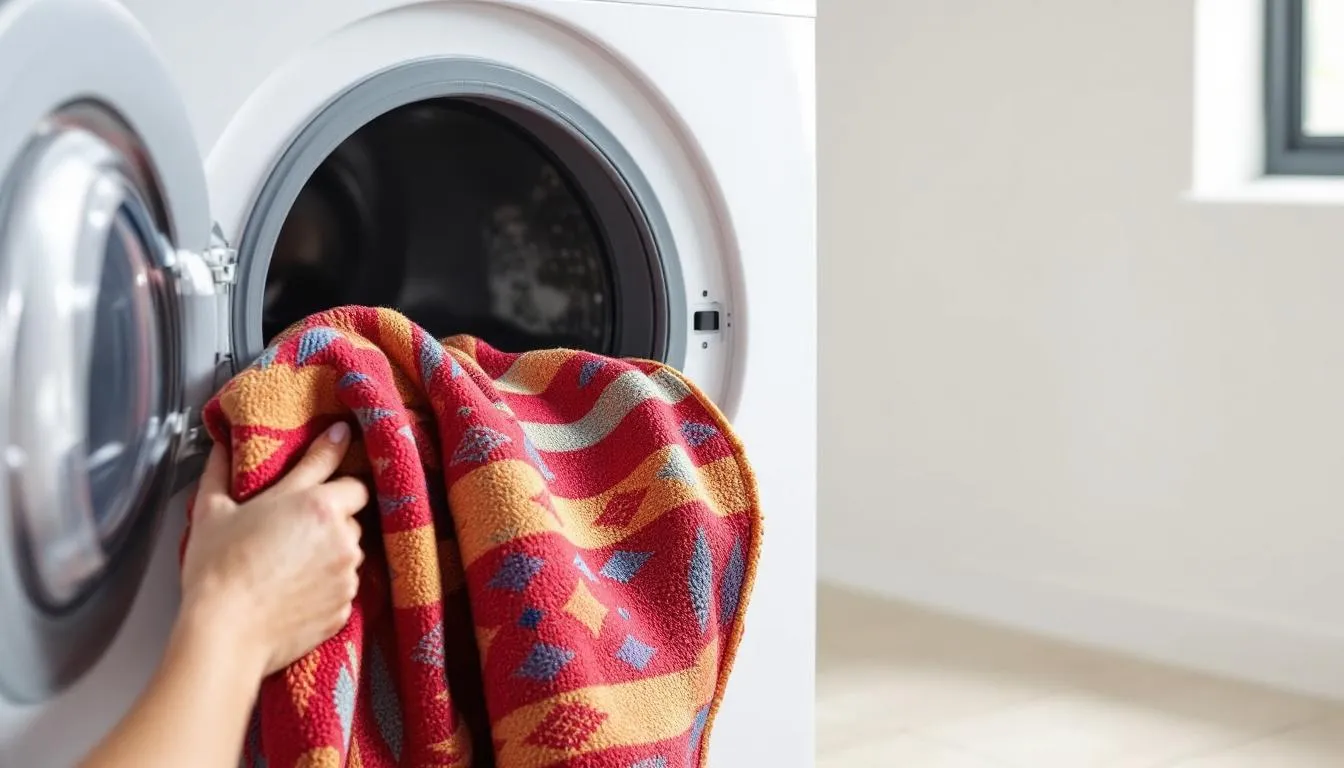
Small bath mats and runners designed for frequent machine washing offer practical solutions for high-moisture areas. Look for options with rubber backing that’s specifically tested for machine washing, as some backing materials can deteriorate with repeated exposure to water and detergent. These pieces should fit comfortably in your washer with room for proper agitation.
Recycled polyester rugs withstand repeated wash cycles exceptionally well, often maintaining their appearance longer than other washable materials. The synthetic nature of polyester means it dries quickly and resists the kind of fiber damage that can occur with natural materials in the washing machine.
When washing any rug at home, always use cold water and a gentle cycle to protect both the rug and your machine. Avoid fabric softener, which can leave residue that actually attracts dirt more quickly.
Rug Colors That Hide Dirt and Stains
Strategic color choice can dramatically reduce the apparent need for cleaning, making your maintenance routine far more manageable. The key lies in understanding how different hues interact with common household dirt and stains.
Dark natural tones like brown, forest green, and navy blue excel at masking everyday dirt tracked in from outside. These colors naturally camouflage soil particles and minor scuffs, extending the time between deep cleanings. Dark colors also hide pet hair more effectively than lighter alternatives, making vacuuming appear more thorough even when some debris remains.
Medium tones including beige, light brown, and sage green strike a balance between hiding moderate wear while still brightening a space. These versatile shades disguise the kind of gradual soiling that occurs in normal foot traffic patterns without making rooms feel dark or closed-in. Beige, particularly, has proven popular because it complements most furniture while hiding dust and light stains.
Patterned rugs in any color help disguise stains better than solid colors by breaking up the visual impact of spills and marks. Geometric patterns, floral designs, and abstract motifs all work to camouflage imperfections. The varied visual texture of patterns means that even when stains are present, they don’t immediately draw the eye the way they would on a solid-colored surface.

Multi-colored designs with varied textures camouflage high-traffic wear patterns most effectively. Rugs featuring several coordinated colors naturally disguise the uneven wear that develops over time, particularly in areas where people walk the same path repeatedly. The visual complexity of multi-colored designs means minor imperfections blend into the overall pattern rather than standing out as obvious flaws.
When selecting colors, consider your specific household challenges. Homes with pets might benefit from colors that match pet hair, while families with young children might prioritize patterns that hide food-related stains.
Cleaning Methods by Rug Type
Understanding the proper cleaning approach for different rug materials ensures effective cleaning without damage. Each material requires specific techniques to maximize cleanliness while preserving the rug’s integrity and appearance.
Synthetic Rugs (Polypropylene, Polyester)
Weekly vacuuming with a suction-only setting prevents yarn damage while removing surface dirt and debris. Synthetic fibers can be sensitive to brush rolls, which may cause fuzzing or premature wear. Focus on thorough suction to lift dirt without abrading the surface.
Deep cleaning with mild dish soap and a warm water solution provides excellent results for synthetic materials. Mix one tablespoon of dish soap per cup of warm water, then use a clean cloth to work the solution into stained areas. The smooth surface of synthetic fibers releases dirt easily with this gentle approach.
Outdoor cleaning works particularly well for synthetic rugs when possible, or use waterproof tarps indoors to protect your floors. The durability of synthetic materials means you can use more water during cleaning without fear of damage. A garden hose can effectively rinse away soap residue that might be difficult to remove indoors.
Air drying on racks or inclined surfaces ensures thorough moisture removal and prevents mold growth. Synthetic materials typically dry faster than natural fibers, but proper air circulation speeds the process and prevents any residual dampness that could cause odors.
Natural Fiber Rugs (Wool, Jute)
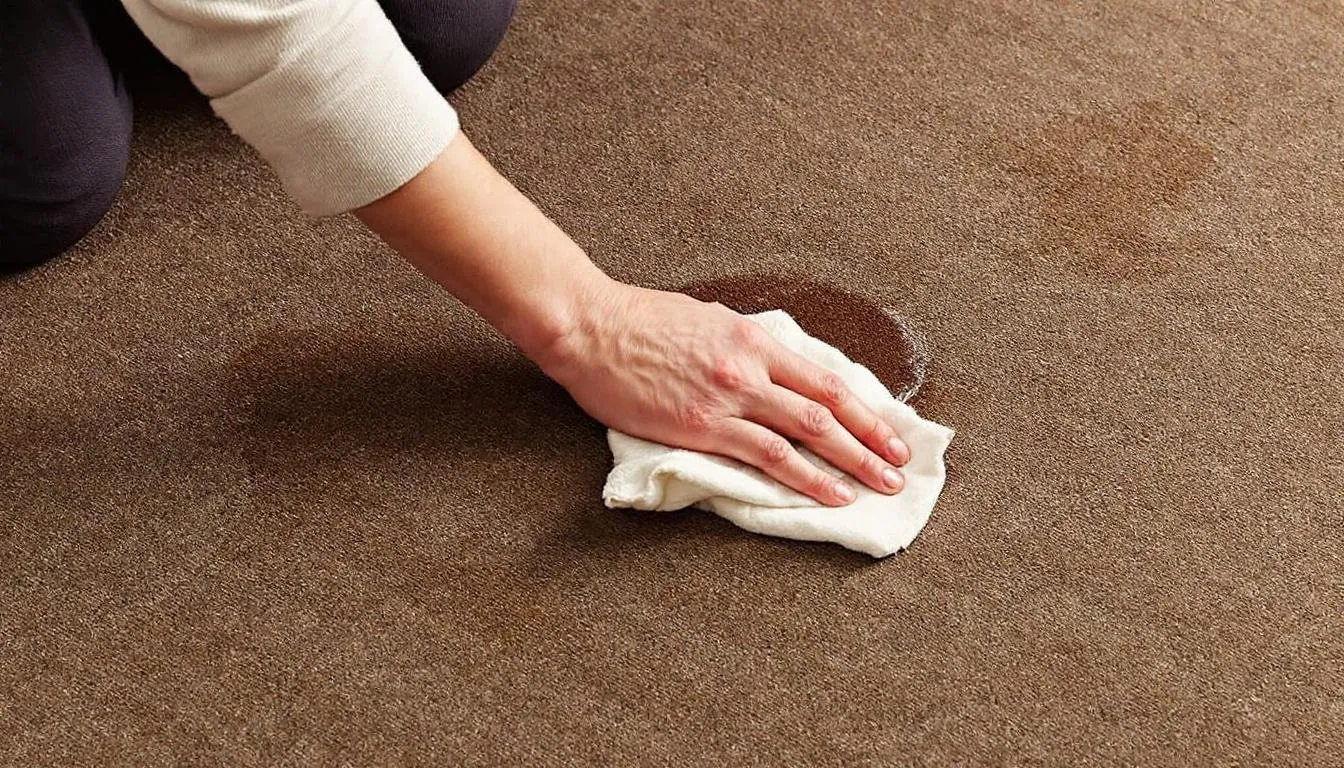
Immediate blotting of spills with clean, dry cloths prevents stains from setting in natural fibers. Never rub or scrub, as this can push liquids deeper into the fibers and potentially damage the rug’s structure. Quick action with absorbent materials often prevents spills from becoming permanent stains.
Spot cleaning wool with mild detergent and cold water preserves the natural properties of wool fibers. Hot water can cause wool to shrink and felt, permanently altering the rug’s texture and appearance. Use minimal moisture and work from the outside of the stain toward the center to prevent spreading.
Baking soda application on wet jute spills helps absorb moisture before it can cause damage to these water-sensitive fibers. Sprinkle baking soda generously over the affected area, let it sit for several hours to absorb moisture, then vacuum thoroughly. This technique can prevent the warping and discoloration that water damage causes in jute.
Professional deep cleaning is recommended annually to preserve natural fiber integrity and maintain warranties. Natural materials require specialized knowledge and equipment to clean properly without damage. Professional cleaners have access to controlled drying environments and appropriate cleaning agents that aren’t available to consumers.
Cotton and Flatweave Rugs
Regular vacuuming and spot cleaning handle routine maintenance for these durable options. Cotton’s resilient nature means it can handle more aggressive vacuuming than delicate materials, but spot clean spills promptly to prevent staining.
Machine washing on a gentle cycle with cold water and mild detergent works well for appropriately sized cotton rugs. Check care labels before washing, as some cotton rugs may have backing or treatments that aren’t machine-safe. Use about half the normal amount of detergent to prevent residue buildup.
Air drying only prevents shrinkage and maintains the rug’s original shape. Heat from dryers can cause cotton to shrink significantly and may damage any rubber backing. Plan for extended drying time, especially for thicker cotton rugs.
Commercial washers may be necessary for rugs larger than 6×9 feet that won’t fit comfortably in home machines. Many laundromats have large-capacity washers specifically designed for bulky items like rugs and comforters.
Best Room Placements for Easy-Clean Rugs
Strategic placement of easy-care rugs in appropriate rooms maximizes their benefits while minimizing your cleaning workload. Different spaces present unique challenges that specific rug types handle better than others.
Kitchen runners in cotton or synthetic materials excel at managing food spill challenges. These high-performance materials clean easily when cooking mishaps occur, and their low-pile construction prevents tripping hazards in busy cooking areas. Position runners in front of the sink, stove, and prep areas where spills most commonly occur.
Entryway mats in dark colors hide tracked-in dirt from outside, extending the time between cleanings while protecting your floors. A good welcome mat outside the door combined with an attractive, dark-colored rug inside creates a two-stage dirt removal system that dramatically reduces soil throughout your home.
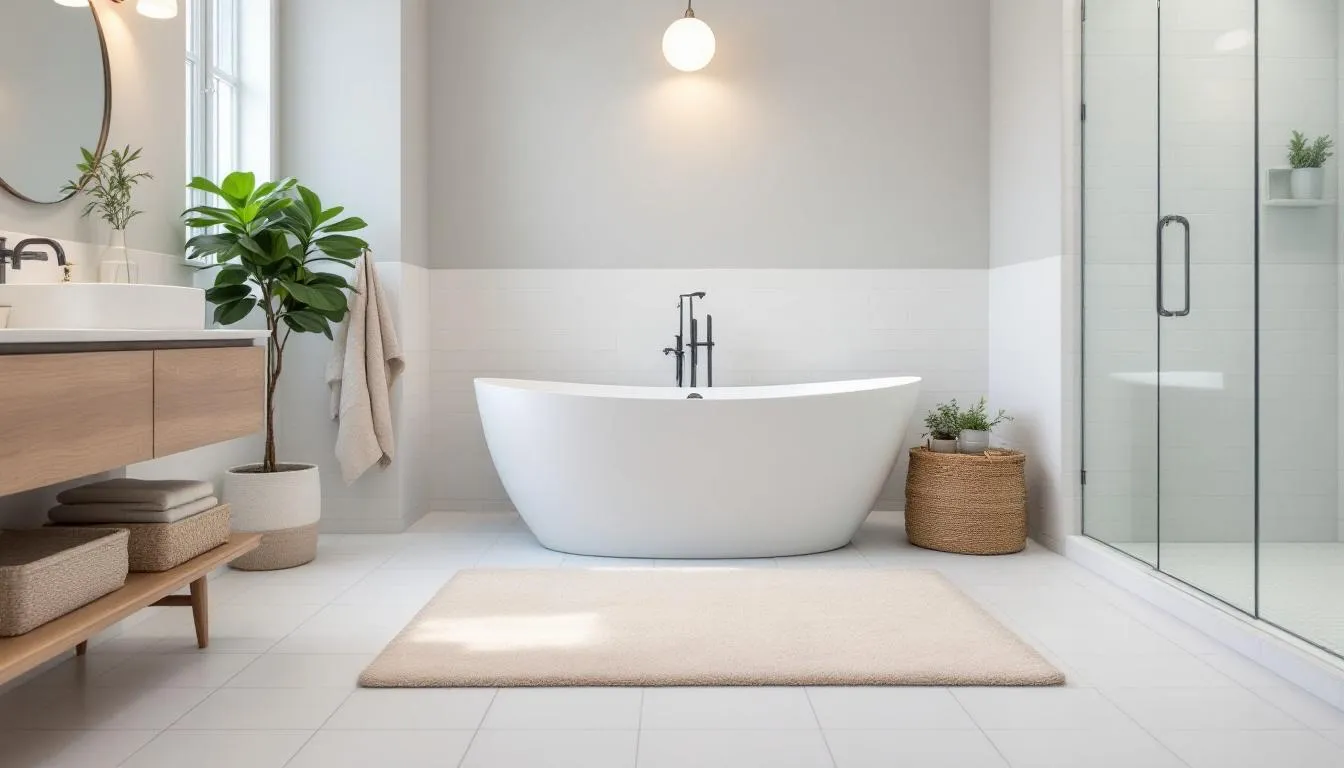
Bathroom rugs with rubber backing and quick-dry properties handle the moisture challenges of these high-humidity spaces. Look for materials that resist mold and mildew while providing safe, non-slip surfaces. Machine washable options work particularly well in bathrooms where frequent cleaning is necessary for hygiene.
Playroom rugs in machine washable materials accommodate the reality of children’s messes. Kids naturally create more spills and tracked-in dirt, making washable options a practical necessity. Choose vibrant patterns that hide stains while providing comfortable play surfaces.
Dining room rugs extending 2-4 feet beyond table edges accommodate chair movement while protecting floors from food-related spills. Size appropriately so chairs remain on the rug when pulled out for seating. Easy-clean materials in this area prevent permanent damage from inevitable food and beverage accidents.
Rug Maintenance Tips for Longevity
Proper maintenance extends rug life significantly while keeping cleaning requirements manageable. These proven strategies help you get maximum value from your rug investment with minimal effort.
Use welcome mats outside entry doors to reduce dirt transfer before it reaches your indoor rugs. This simple step can reduce the soil load on indoor rugs by up to 80%, according to industry research. Quality outdoor mats trap dirt and moisture before they enter your home.
Rotate rugs every few months to ensure even wear patterns and prevent permanent traffic paths. This simple practice distributes foot traffic across the entire rug surface, preventing the concentrated wear that creates unsightly paths in high-traffic areas. Regular rotation can double the effective life of your rugs.
Test cleaning solutions on inconspicuous areas before full application to avoid unexpected color changes or fiber damage. This crucial step takes only a few minutes but can save you from ruining an entire rug. Even products labeled as safe for your rug type can react differently depending on dyes and treatments used.
Vacuum weekly and limit deep cleaning to when absolutely necessary to prevent over-processing that can damage fibers. Regular vacuuming prevents dirt from grinding into fibers where it becomes much harder to remove. Over-cleaning can strip protective treatments and cause premature wear.

Consider rug pads to prevent slipping and reduce floor wear while making vacuuming more effective. Quality pads provide cushioning that extends rug life and improves comfort underfoot. They also prevent the rug from moving during cleaning, making the process more efficient.
Store seasonal rugs properly when not in use, rolling them (never folding) and wrapping in breathable materials. Proper storage prevents creasing, pest damage, and moisture problems that can ruin rugs during storage periods.
When to Choose Professional Cleaning
While easy-clean rugs handle most maintenance tasks at home, certain situations call for professional expertise. Understanding when to invest in professional services protects your investment and ensures optimal results.
Antique or delicate rugs with silk or viscose fibers require specialized knowledge and equipment that professionals provide. These valuable pieces often have unstable dyes, delicate construction, or age-related fragility that makes DIY cleaning risky. Professional cleaners have the training to assess and treat these special cases safely.
Large rugs that won’t fit in home washing machines need commercial-grade equipment for thorough cleaning. Professional facilities have the space and equipment to properly clean oversized pieces without damage. They also have industrial drying capabilities that prevent mold and mildew in thick or large rugs.
Deep-set stains that home remedies cannot remove often respond to professional treatments and equipment. Professionals have access to specialized stain removal products and techniques not available to consumers. They can also assess whether a stain is removable or if attempting further cleaning might cause additional damage.
Annual deep cleaning for high-value wool and natural fiber rugs maintains their appearance and extends their lifespan significantly. Professional cleaning removes embedded soil that regular vacuuming can’t reach, preventing the gradual degradation that shortens rug life. This investment typically costs between $2-$8 per square foot but can extend rug life by years.
Water damage situations require specialized drying equipment and expertise to prevent permanent damage from moisture. Professional restoration services have industrial fans, dehumidifiers, and climate-controlled facilities necessary for proper drying. Quick professional response to water damage can often save rugs that would be ruined by inadequate home drying efforts.
The key is recognizing your limitations and the value of your rugs. For everyday maintenance and minor issues, easy-clean rugs handle beautifully with home care. For significant problems or valuable pieces, professional expertise provides the best protection for your investment.
Transform Home Maintenance with Easy-to-Clean Rugs
Choosing the right rugs to clean transforms your home maintenance routine from a burden into a simple task. By selecting appropriate materials like synthetic fibers for high-traffic areas, cotton for machine washing convenience, and strategic colors that hide everyday wear, you can dramatically reduce both the frequency and difficulty of rug cleaning. For additional tips on sustainable and health-conscious cleaning, learn more about green cleaning and its benefits.
Remember that the easiest rug to clean is one that matches your lifestyle needs. Families with kids and pets benefit most from machine washable options, while formal spaces can accommodate natural fibers with proper care. The small investment in quality, easy-care rugs pays dividends in saved time, reduced stress, and a consistently clean home environment.
Start by evaluating your most challenging spaces and consider replacing just one problematic rug with an easy-clean alternative. You’ll quickly discover how much simpler your cleaning routine becomes when you choose rugs designed for real-world living.