

Alexandria VA Area Rug Cleaning & Maintenance: Expert Methods & Tips
Comparison of Common Rug Fibers and Their Cleaning Challenges
This table, “Guide to Area Rug Cleaning,” outlines various fibers used in rug manufacturing, highlighting their unique cleaning challenges. Understanding these differences is crucial for selecting the appropriate cleaning methods to maintain the integrity and appearance of your rugs.
| Rug Fiber | Common Cleaning Issues | Recommended Cleaning Methods |
|---|---|---|
| Wool | Prone to shrinkage and felting if cleaned improperly. | Gentle vacuuming and professional cleaning with low moisture. |
| Cotton | Can absorb moisture, leading to mold if over-wet. | Regular vacuuming and spot cleaning with mild detergents. |
| Jute | Natural fiber that can mildew if exposed to excess moisture. | Dry cleaning methods and minimal moisture application. |
| Viscose | Highly sensitive to water, it can lose texture and color. | Dry cleaning or careful spot cleaning with minimal moisture. |
| Silk | Fragile and can fade with harsh chemicals or excessive moisture. | Professional cleaning with pH-balanced solutions and low moisture. |
Understanding the specific cleaning challenges associated with each rug fiber helps in choosing the right maintenance approach. Always consider professional cleaning for delicate materials to ensure their longevity and appearance.
The Complete Guide to Area Rug Cleaning: Trusted Methods, Tricky Rugs, and How to Avoid Common Mistakes
Regular cleaning keeps rugs looking their best, protects their fibers, removes dust and allergens, and improves indoor air. This guide walks through simple home care, when to call professionals, which rugs pose the biggest risks, and how to avoid common mistakes.
Key Takeaways
- Regular cleaning preserves appearance and supports healthier indoor air.
- Wool, silk, viscose, and synthetic rugs all need different care.
- Home deep‑cleaning, professional services, and certified green products are valid options depending on the rug.
- Antique, viscose, and natural‑fiber rugs usually require specialist handling.
- Routine maintenance and correct storage prevent many common problems.
- Recognising delicate fibers helps you pick safe cleaning methods.
- Professional cleaning lowers the risk for valuable or fragile rugs.
- Eco‑certified cleaners can be effective and safer for people and pets.
- Avoid excess heat and moisture on sensitive rugs to prevent lasting harm.
Comprehensive Guide on Area Rug Cleaning
Regular upkeep prevents soil build‑up and extends the life of rug fibers. Choose cleaning methods that protect dimensional stability and colorfastness for each material.
Expert Methods:

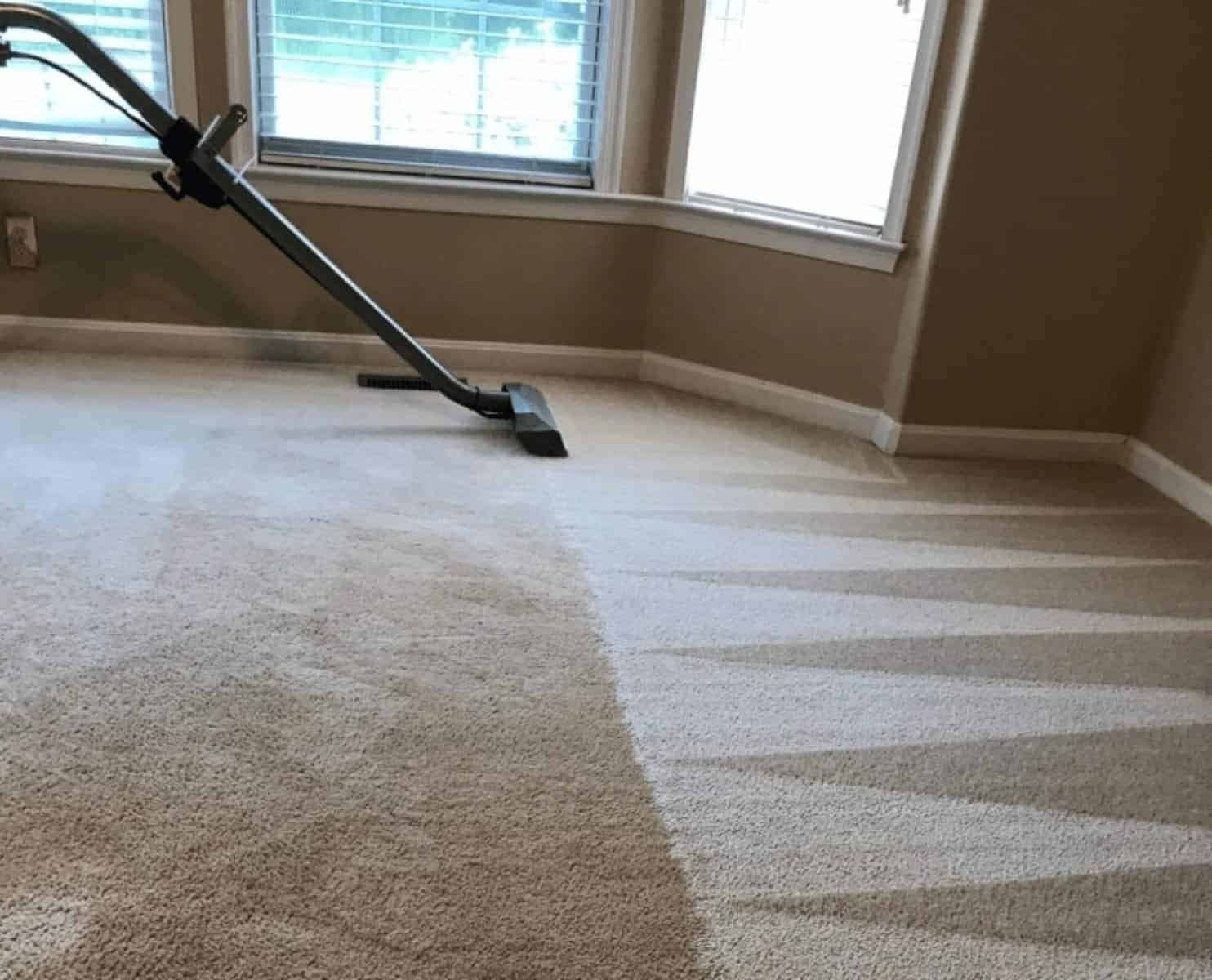
Professional rug cleaning technician washing a delicate Persian rug.
Effective rug care blends sensible at‑home maintenance, professional treatments, and eco‑friendly products — each matched to the rug’s construction and fibers.
- Deep Cleaning at Home: Vacuum and spot clean regularly. For deeper cleaning, use rug‑safe machines and detergents that suit the rug’s fiber.
- Professional Cleaning Techniques: Technicians use specialized equipment and proven workflows to clean thoroughly while minimizing damage risk.
- Eco-Friendly Solutions: When chosen correctly for the fiber, green and biodegradable products remove stains and odors without harsh chemicals.
Research and field evaluations compare commercial systems, steam, and surface‑cleaning methods to help choose the safest, most effective approach for different rugs.
Traditional & Commercial Rug Cleaning Methods
Museum conservation studies have evaluated commercial spray/suction systems, steam‑cleaning machines and surface techniques to determine best practices for cleaning, repairing and displaying rugs. Traditional Methods and Alternatives for Cleaning, Repairing, and Exhibiting Rugs., 1990
Common Problem Rugs:
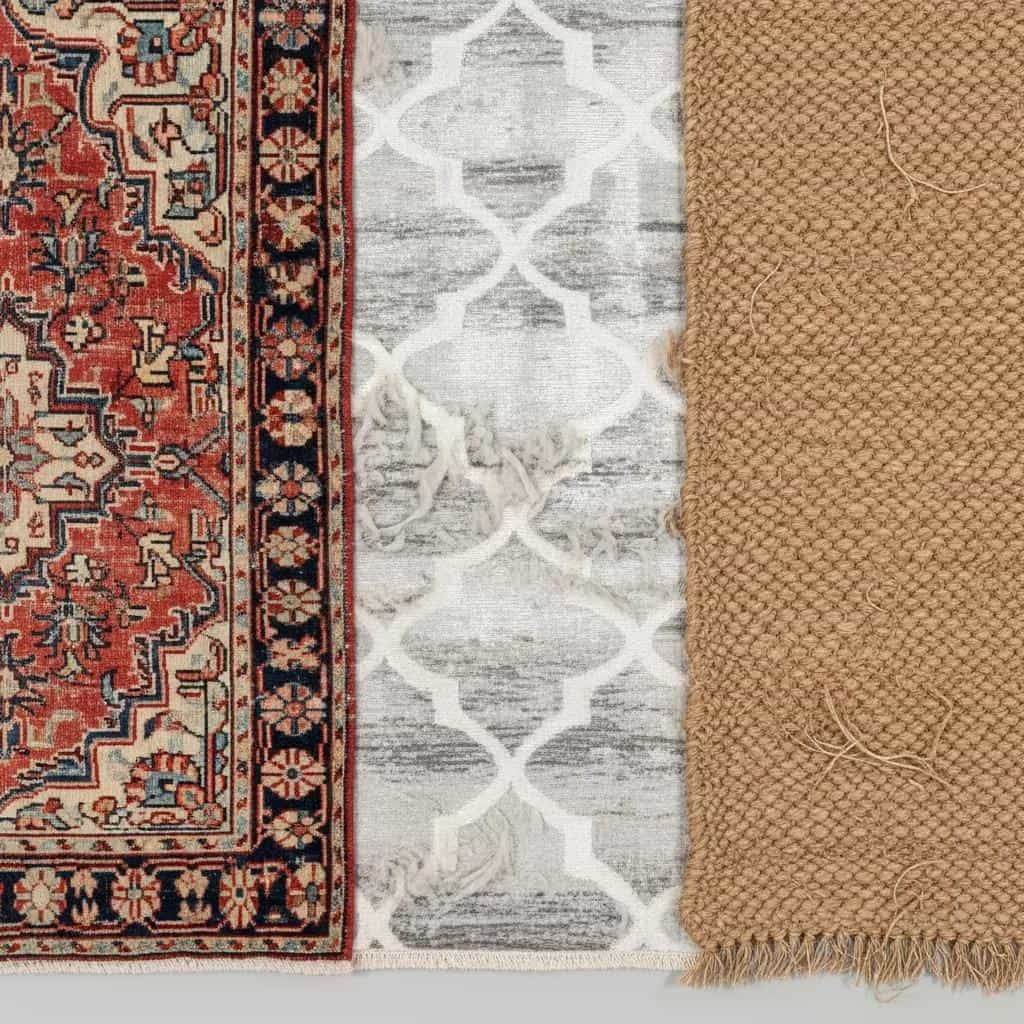
Certain constructions and fiber types raise the risk of damage during cleaning. Identify these traits before choosing a method.
- Antique Rugs: Fragile fibers and historical dyes need gentle, conservation‑minded care.
- Viscose Rugs: Very sensitive to water — avoid heavy wet cleaning and always test first.
- Jute and Sisal Rugs: Natural fibers that absorb moisture and can mildew if over‑wet.
Tips for Avoiding Mistakes:
Use conservative, fiber‑appropriate techniques. Rushing or using the wrong chemicals can cause irreversible damage.
- Regular Maintenance: Vacuum and treat spots promptly to prevent soil from embedding.
- Proper Storage Techniques: Roll rugs and store them dry, away from pests and direct sunlight.
- When to Seek Professional Help: Call a pro for stubborn stains, structural damage, or valuable pieces.
Which Rug Fiber Types Require Specialized Cleaning Methods?
Fiber composition determines the safest cleaning approach: wool, silk, viscose, and synthetics each tolerate moisture, heat, and chemicals differently.
- Wool Rugs: Clean gently to avoid shrinkage and felting.
- Silk Rugs: Use minimal moisture and very mild agents to protect dyes and sheen.
- Synthetic Rugs: More durable, but still benefit from appropriate products to preserve appearance.
How to Identify Viscose and Other Delicate Rug Fibers
Simple checks cut down on mistakes: read labels, test a small inconspicuous area, and consult a pro when unsure.
- Label Inspection: Follow the manufacturer’s care instructions when available.
- Material Examination: A small test can reveal stretch, shine, or weakness in the fiber.
- Professional Identification: Experts can confirm fiber type and recommend safe methods.
What Are the Best Cleaning Techniques for Delicate Rugs?
Delicate rugs do best with tailored, low‑impact approaches: careful hand washing, tightly controlled moisture, and pH‑balanced cleaners.
- Customized Cleaning Methods: Match the process to the fiber, weave, and dye stability.
- Thorough Hand Washing: Use a mild detergent, gentle motion, and careful rinsing when hand washing is appropriate.
- Gentle Cleaning Agents: pH‑balanced products protect fibers and colors while cleaning effectively.
Studies highlight the value of selecting pH‑balanced cleaners to protect both fabrics and people.
pH Analysis of Cleaning Agents for Safety & Efficacy
A comparative study examined the pH profiles of synthetic and natural cleaning agents in dilute solutions to assess dermatological and environmental effects. It compared synthetic agents (soaps, shampoos and detergents) with natural alternatives (Aloe vera and Reetha) to evaluate safety and performance.
Comparative pH analysis of synthetic and natural cleaning agents: implications for eco-friendly and dermatological safety, NK Chaudhary, 2025
What Are Common Problem Rugs and Their Cleaning Challenges?
Large size, heavy soiling, or fragile construction increase cleaning complexity; plan equipment, treatment, and drying accordingly.
- Antique or Delicate Rugs: Need conservational cleaning and the lightest possible intervention.
- Large Rugs: Often easier and safer when handled by professionals with space and the right machinery.
- Deep-Set Stains: May require targeted, repeat treatments to lift fully.
Which Rugs Are Considered Problematic and Why?
Problem rugs include water‑sensitive rayon/viscose, moisture‑absorbing jute/sisal, and antique textiles with fragile fibers — each carries specific risks during cleaning.
- Rayon/Viscose Rugs: Prone to water damage and texture loss.
- Jute and Sisal Rugs: Likely to mildew if over‑wet.
- Antique or Delicate Rugs: Fragile construction that benefits from specialist care.
How Can Improper Cleaning Damage Sensitive Rugs?
Incorrect moisture, excessive heat, or harsh chemicals can cause mold, permanent stains, weakened fibers, and color loss.
- Risks for Cotton Rugs: Too much moisture can encourage mold and fiber breakdown.
- Risks for Rayon/Viscose Rugs: Water can permanently change texture and appearance.
- Risks for Silk Rugs: Strong chemicals and abrasion fade dyes and weaken fibers.
How Do Professional Cleaning Methods Ensure Safe and Effective Rug Care?
Professionals combine inspection, fiber‑appropriate solvents or steam, controlled drying, and certified products to minimise risk while cleaning thoroughly.
- Steam Cleaning: Removes soil and allergens when used correctly.
- Dry Cleaning: Solvent methods suit moisture‑sensitive textiles.
- Eco-Friendly Solutions: Reputable cleaners increasingly offer green options that perform well.
What Advanced Cleaning Processes Are Used for Area Rugs?
Advanced workflows combine careful inspection, dust removal, tailored washing, and monitored drying, often using biodegradable agents to protect textiles and the environment.
- 8-Step Cleaning Process: Inspection, dusting, washing, drying, and quality checks to ensure safe, consistent results.
- Customized Cleaning Methods: Procedures adjusted for weave, pile, and dye stability.
- Eco-Friendly Solutions: Biodegradable products reduce environmental impact without sacrificing cleaning power.
How Do Eco-Friendly and Certified Cleaning Solutions Benefit Rugs?
Certified eco‑friendly formulas lower toxic exposure, often match traditional cleaning performance, and reduce environmental harm when used correctly.
- Safety for Health: Non‑toxic ingredients lower allergic and chemical exposure risks.
- Environmental Impact: Biodegradable products lessen ecological harm.
- Effective Cleaning: Many green options clean as well as conventional products when matched to the rug.
What Common Mistakes Should Be Avoided When Cleaning Area Rugs?
The most frequent errors—too much heat, over‑saturation and rushing—cause most damage. Work deliberately and always test first.
- Using Excessive Heat: High temperatures can shrink or otherwise damage fibers.
- Applying Too Much Moisture: Over‑wetting promotes mold and backing damage.
- Rushing the Process: Proper drying and careful technique prevent long‑term harm.
Which Errors Cause Damage to Oriental and Delicate Rugs?
Mishandling, excess moisture and harsh chemicals lead to tears, staining, and color loss in fine rugs.
- Tears and Holes: Improper handling risks physical damage.
- Water Damage: Too much moisture can cause staining and structural deterioration.
- Color Fading: Strong chemicals strip dyes and weaken fibers.
Severe contamination, such as exposure to Category 3 floodwater, needs specialised disinfection and controlled drying to protect delicate textiles.
Cleaning & Disinfecting Contaminated Oriental Rugs
Oriental rugs exposed to Category 3 floodwater can carry pathogenic bacteria. A referenced study tested disinfectants, cleaning methods and drying practices by inoculating river water with Escherichia coli, Enterococcus faecalis and Pseudomonas aeruginosa to measure bacterial survival and treatment effectiveness. The Effect of Disinfectants, Cleaning, and Drying Practices on Oriental Rugs Flooded with Contaminated River Water: Public Health and Policy Implications, 2012
How Can Homeowners Safely Maintain Their Area Rugs Between Professional Cleanings?
Simple, regular steps significantly reduce soiling and extend the time between deep cleans.
- Use Doormats or Shoe Trays: Catch dirt at the door to limit tracked‑in soil.
- Regular Vacuuming: Removes surface dust and slows fiber wear.
- Spot Cleaning: Treat spills promptly and gently to prevent set stains.
Frequently Asked Questions
What are the signs that my area rug needs professional cleaning?
Persistent stains, lingering odors, embedded soil, or a dull, flattened pile are good reasons to seek a professional assessment.
How often should I clean my area rugs?
Vacuum weekly; arrange professional cleaning every 12–24 months, more often for heavy traffic or pets.
Can I use regular carpet cleaners on my area rugs?
Not always—check the care label and avoid harsh chemicals or excess moisture on wool, silk, and viscose.
What should I do if my rug gets wet?
Blot up excess water, lay the rug flat in a well‑ventilated area to dry, and avoid direct heat. For major water exposure, call a professional for controlled drying.
Are eco-friendly cleaning solutions effective for area rugs?
Yes, many green formulations remove stains safely. Always confirm compatibility with the rug’s fiber first.
How can I prevent my area rug from fading?
Limit sun exposure, rotate rugs periodically, and keep to a regular cleaning schedule to preserve color.
What are the best methods for spot cleaning area rugs?
Blot spills immediately, test any cleaner in an inconspicuous area, work gently, then rinse and blot to remove residue.
Conclusion
Consistent, fiber‑appropriate maintenance and cautious cleaning choices preserve a rug’s look and value. When you’re unsure—especially with delicate or antique pieces—consult a professional.
Author: Tom Klenner, Owner of Alexandria Green Carpet & Rug Cleaning since 1988.
Conclusion
Regular care keeps area rugs looking their best and extends their life while supporting a healthier home. Understanding how different fiber types respond to moisture, heat, and cleaning agents enables you to select the most effective approach to preserve color and texture. For the best results with valuable or fragile rugs, professional cleaning is the safest and most effective option. Explore our expert cleaning solutions to keep your rugs in top condition.