
Introduction: Why Oriental Rug Identification Matters
Oriental rugs are more than decorative floor coverings—they are handcrafted works of art with cultural, historical, and financial value. Proper oriental rug identification helps homeowners understand what they own, how to care for it, and whether professional cleaning or restoration is required.
At Alexandria Green Rug & Carpet Cleaning, we frequently meet homeowners who own valuable rugs without realizing their origin, age, or material. Identifying your rug correctly can prevent costly mistakes such as improper cleaning, sun damage, or fiber deterioration.
This guide will walk you through how to identify an oriental rug, including origin, materials, patterns, and construction methods.
What Is an Oriental Rug?
An oriental rug is a handwoven rug made in Asia, primarily from countries along the historic Silk Road. Authentic oriental rugs are typically knotted by hand and crafted using natural fibers.
Common regions include:
- Persia (modern-day Iran)
- India
- Turkey
- China
- Pakistan
- Afghanistan
- Caucasus regions
Each region has distinct weaving techniques, color palettes, and design traditions.
Step 1: Identify the Construction Method
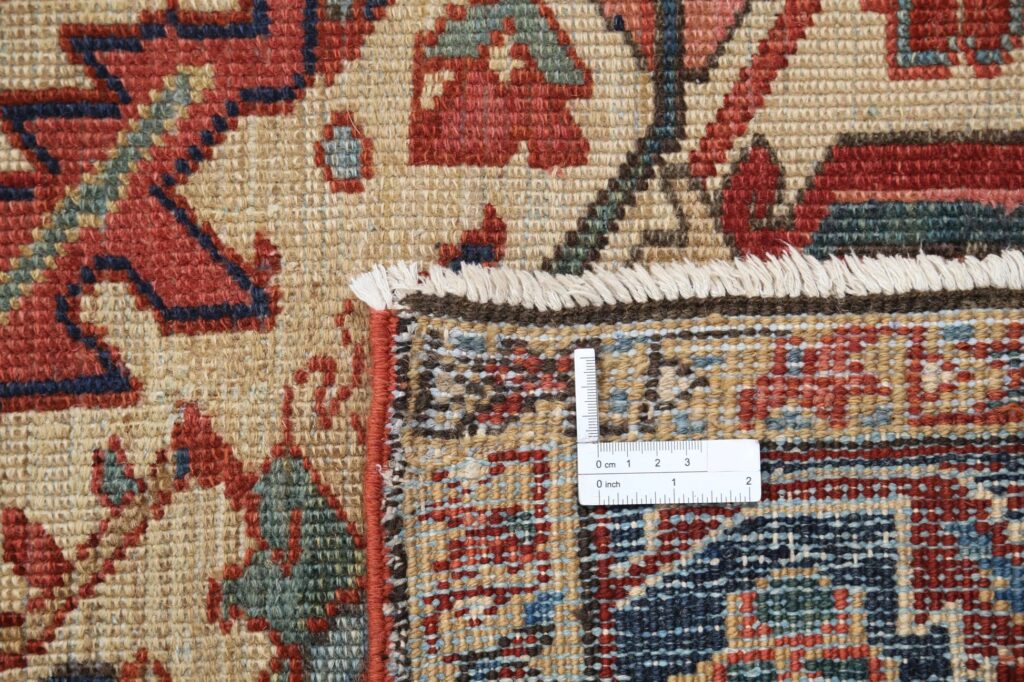
Hand-Knotted Rugs (Most Valuable)
- Knots are individually tied
- Design visible on both front and back
- Slight imperfections are normal and desirable
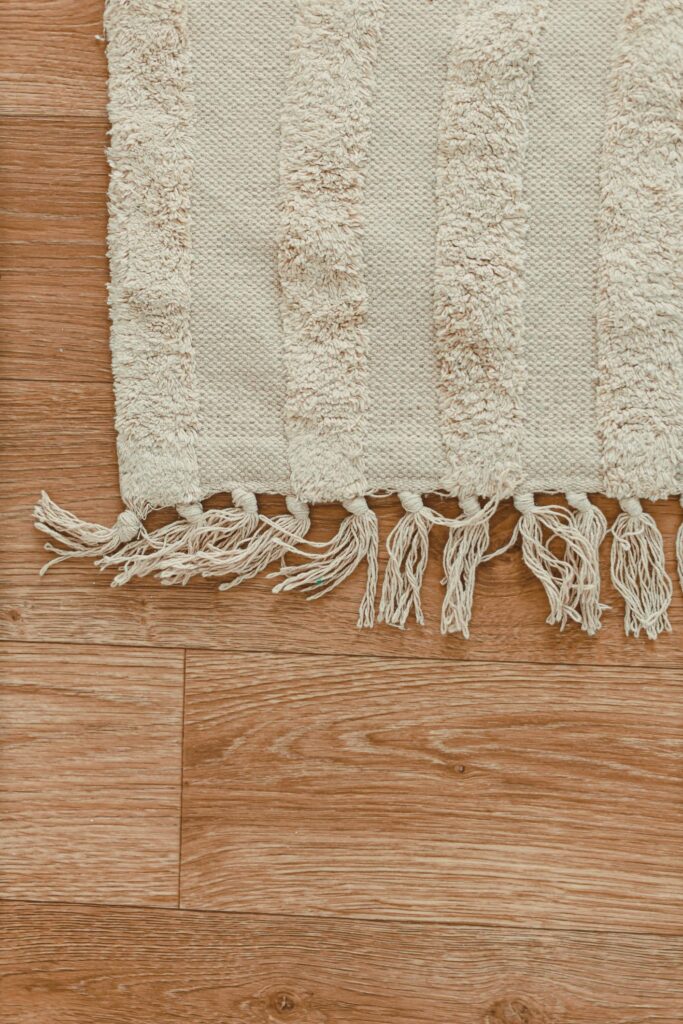
Hand-Tufted Rugs
- Yarn punched through canvas with a tufting gun
- Backing glued on
- Not considered true oriental rugs
Machine-Made Rugs
- Perfect symmetry
- No visible knots
- Often synthetic fibers
💡 Tip: Turn the rug over. If you see individual knots and the pattern is clear, you’re likely looking at a hand-knotted rug.
Step 2: Examine the Materials
Authentic oriental rugs use natural fibers, which age beautifully and last for generations.
Common Rug Fibers
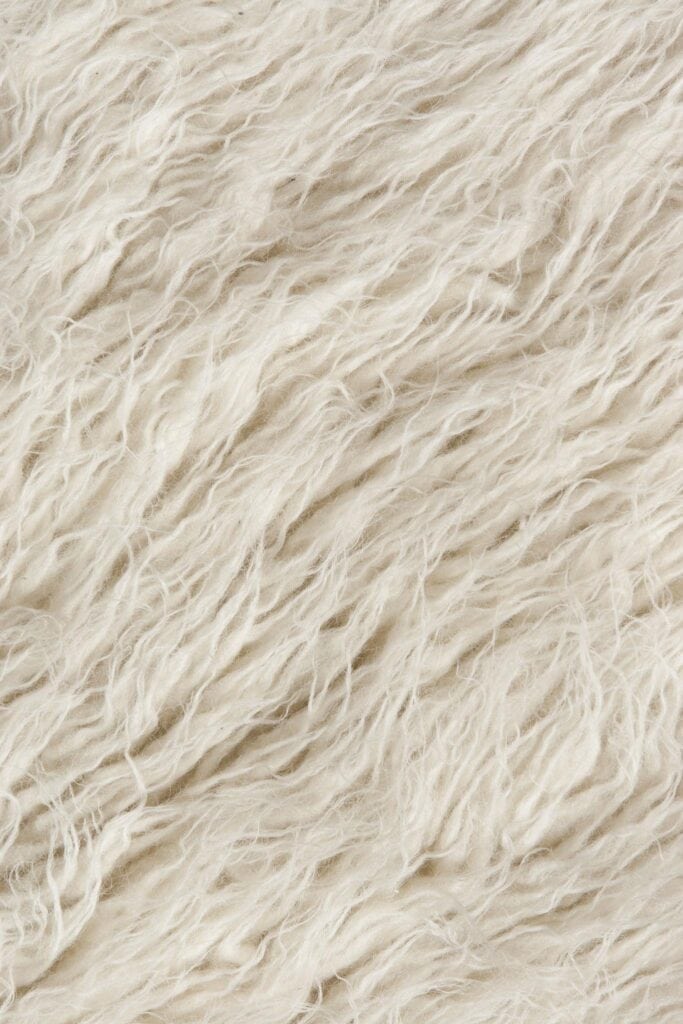
- Wool: Soft, resilient, most common
- Silk: Luxurious, high knot density, delicate
- Cotton: Often used in foundations (warp/weft)
Synthetic fibers (nylon, polyester, olefin) usually indicate a modern or machine-made rug.
Step 3: Recognize Design Patterns
Patterns are one of the strongest clues in oriental rug identification.
Common Oriental Rug Designs
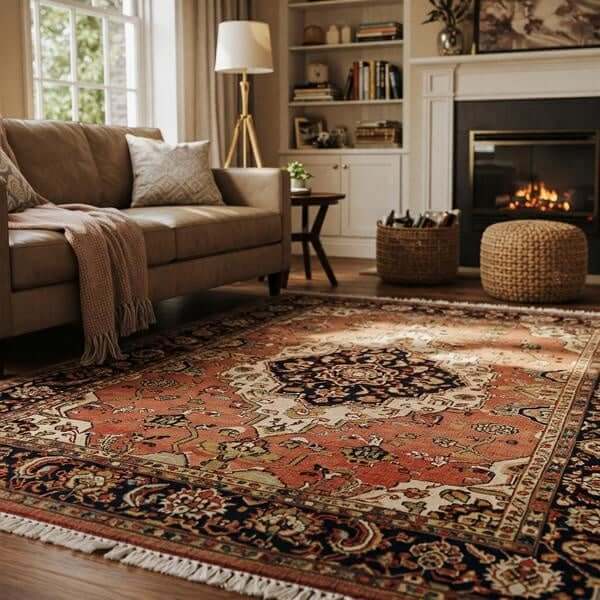
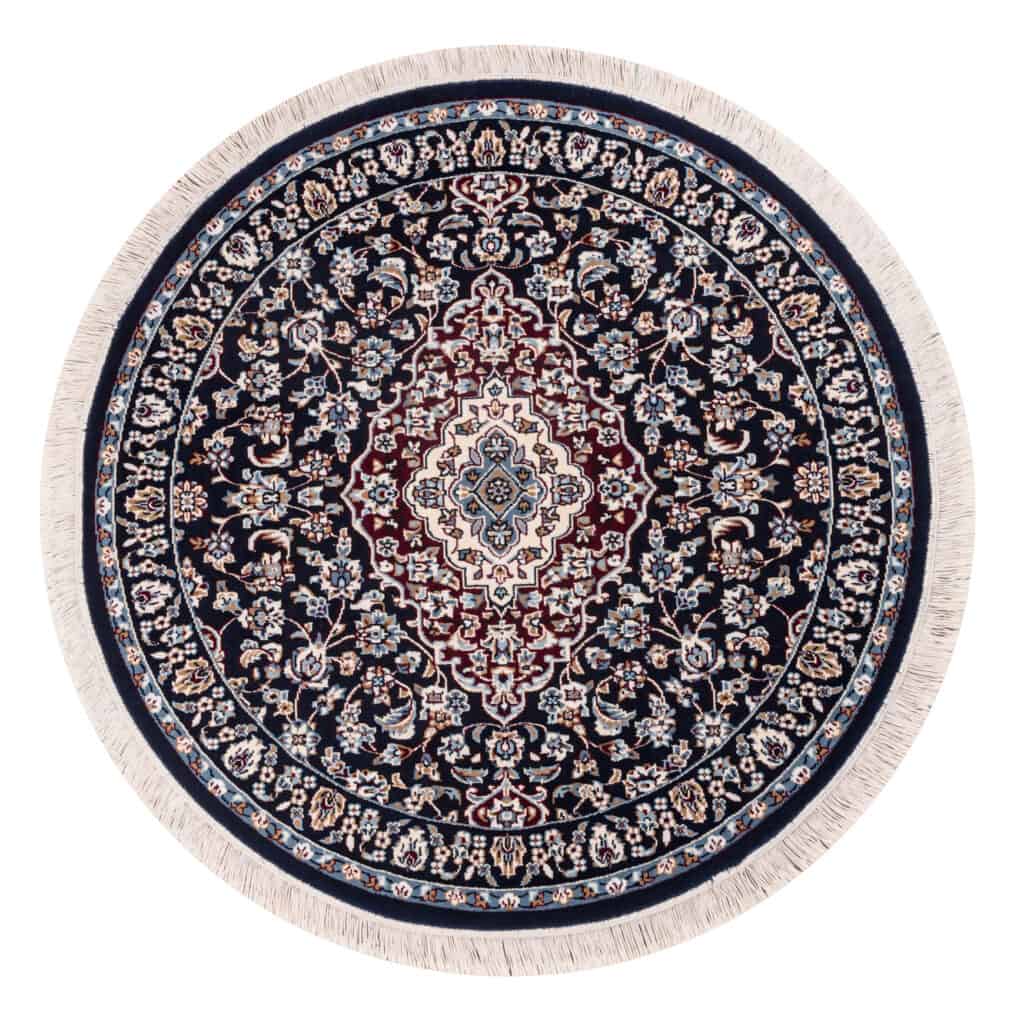
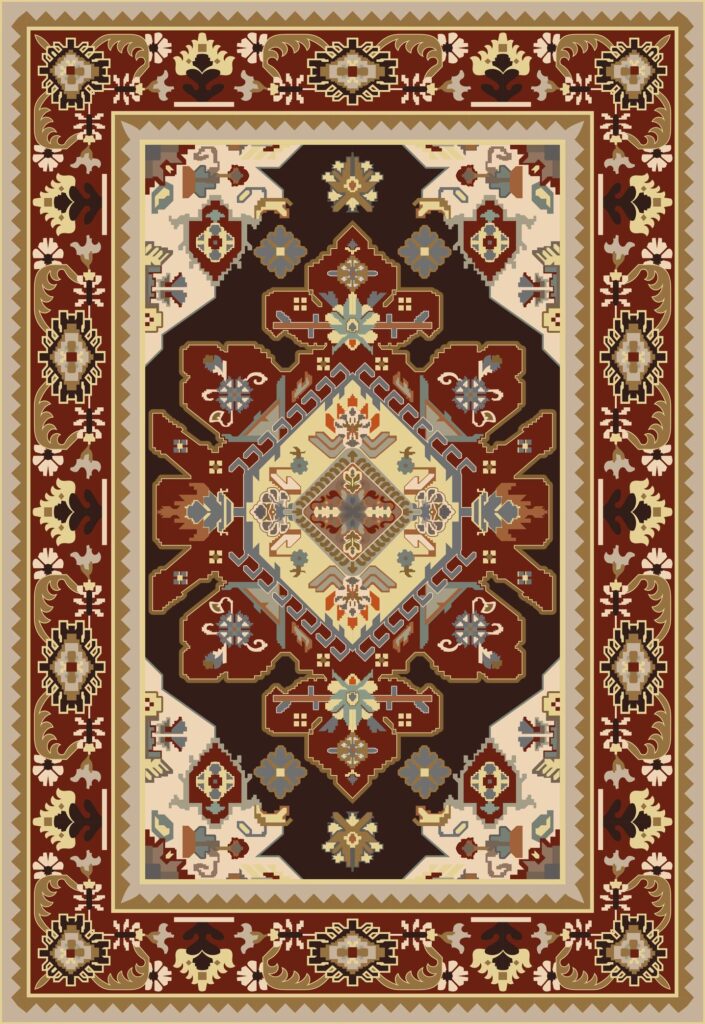
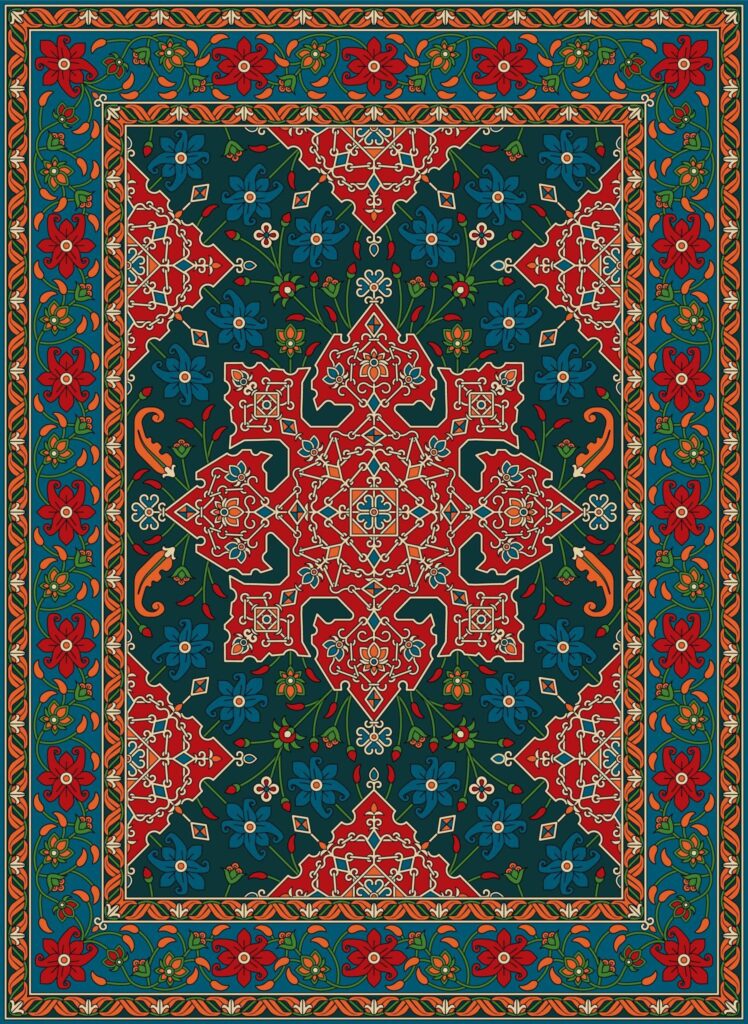
- Medallion: Central focal point (common in Persian rugs)
- All-Over: Repeating patterns, no center
- Geometric: Angular motifs (often Caucasian or tribal)
- Floral: Curved vines and flowers (Persian, Indian)
Color also matters—older rugs often use vegetable dyes, which soften and mellow with age rather than fading harshly.
Step 4: Identify the Rug’s Origin
Each region has signature traits:
Persian (Iranian) Rugs
- Intricate floral or medallion designs
- High knot density
- Rich reds, blues, and ivory
Turkish Rugs
- Symmetrical (Ghiordes) knots
- Bold geometric patterns
- Strong borders
Indian Rugs
- Often inspired by Persian designs
- Softer wool
- Excellent craftsmanship
Chinese Rugs
- Thicker pile
- Softer color palettes
- Symbolic motifs (clouds, dragons)
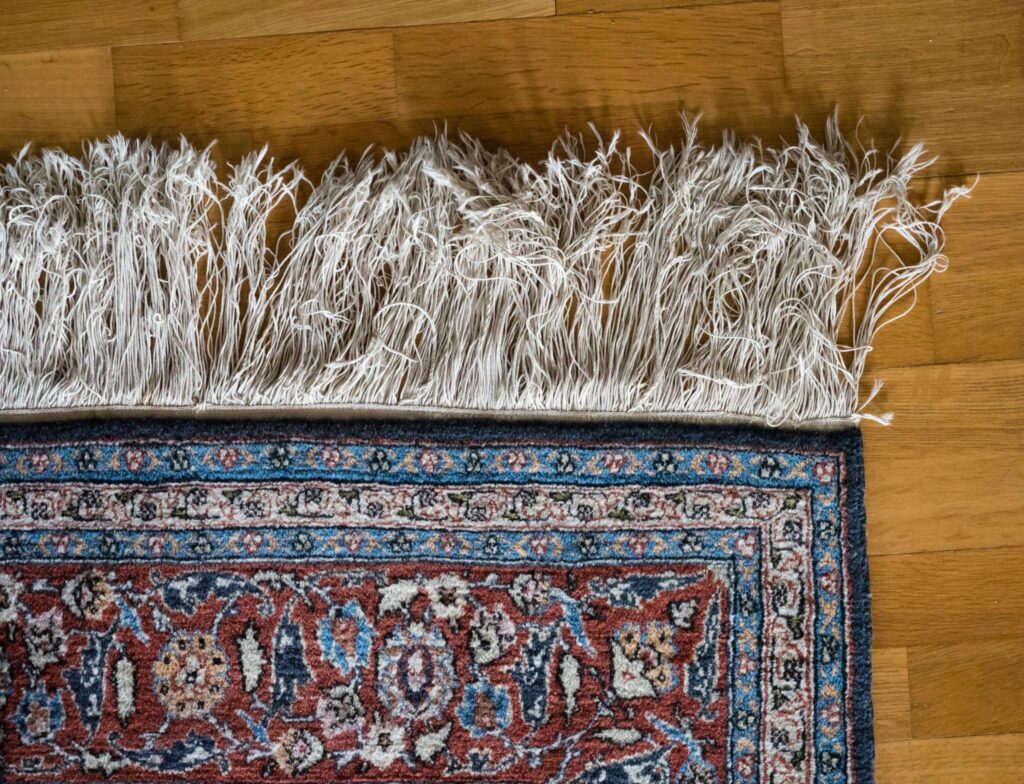

Step 5: Look at the Fringe and Edges
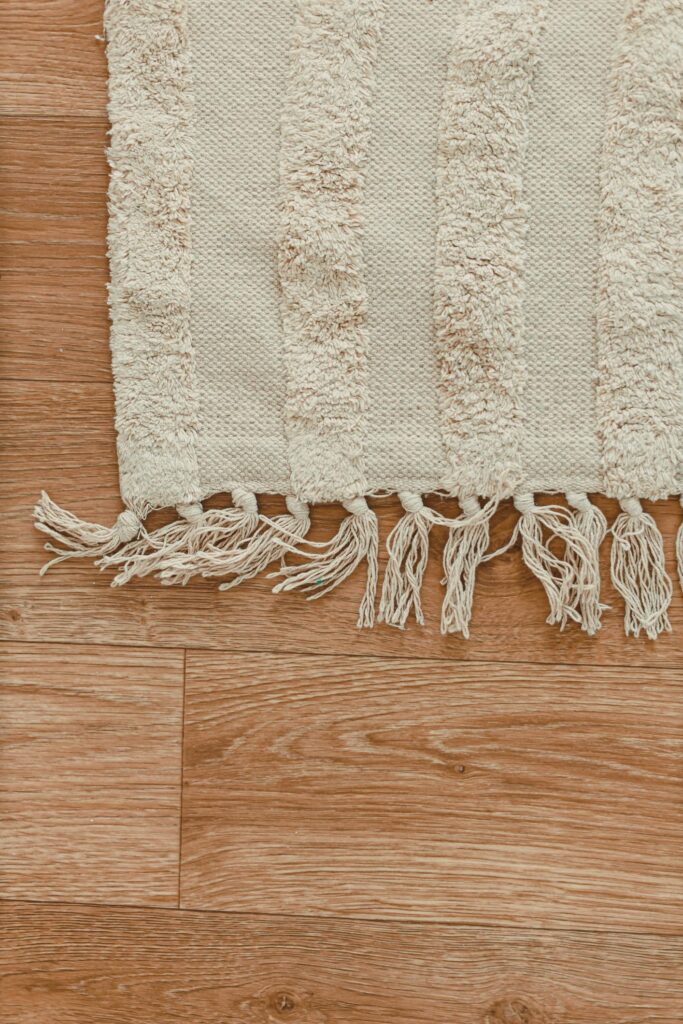
The fringe on an authentic oriental rug is part of the rug’s foundation, not sewn on afterward.
- Fringe = continuation of warp threads
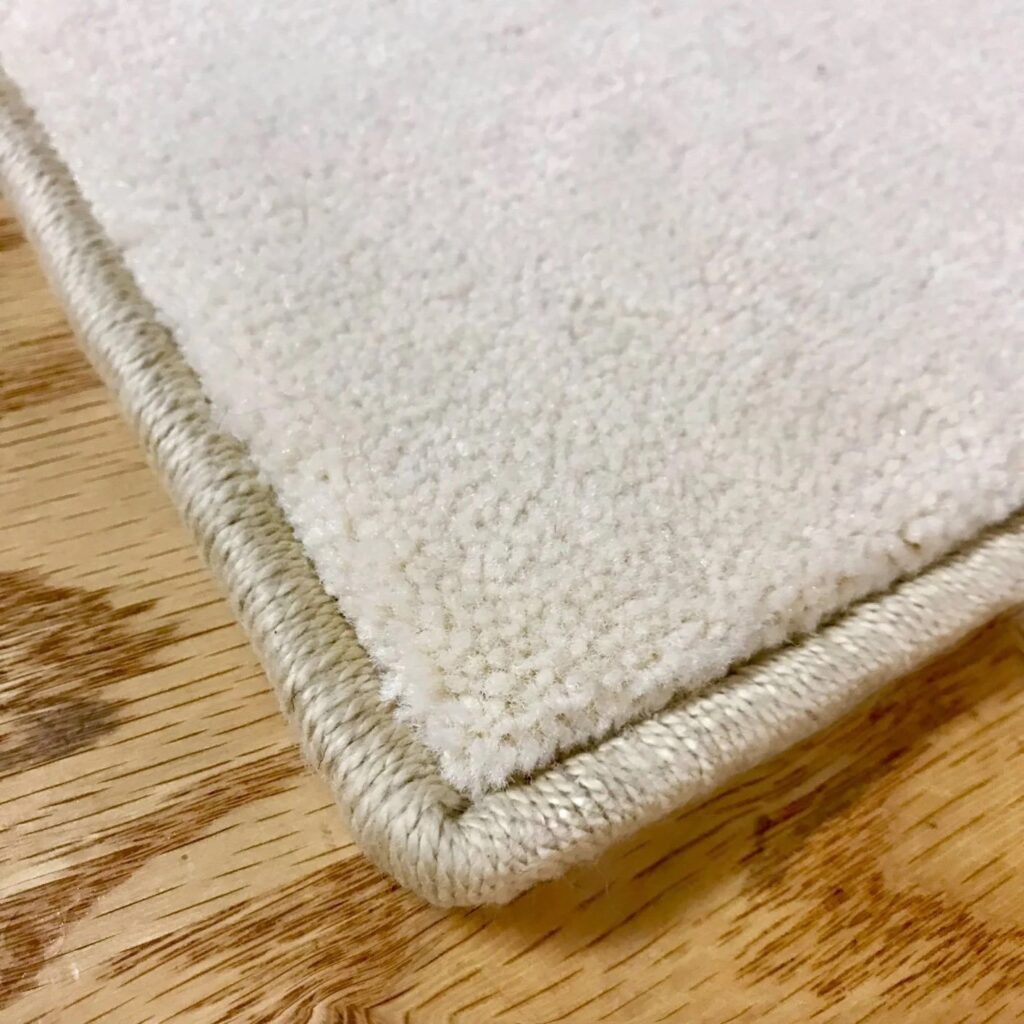
- Hand-wrapped or overcast edges
- No glued bindings
If the fringe is stitched on separately, the rug is likely machine-made.
Step 6: Determine Age and Value
Age doesn’t always equal value, but it plays a role.
- Antique: 100+ years old
- Semi-Antique: 50–100 years
- Vintage: 20–50 years
Condition matters just as much as age. Improper cleaning can reduce a rug’s value dramatically.
Problem Rugs: Materials That Require Special Care (or Extreme Caution)
Not all oriental or decorative rugs are created equal. In fact, some of the most problematic rugs we see aren’t old or valuable—they’re made from unstable or misleading materials. Proper rug identification is critical because the wrong cleaning method can permanently ruin these rugs.
Below are the most common problem rug materials homeowners should be aware of.
Cotton Rugs: Shrinkage and Foundation Failure
While cotton is sometimes used in the foundation of fine rugs, rugs made primarily of cotton present serious risks.
Common problems with cotton rugs:
- Shrinkage when exposed to moisture
- Rippling or distortion
- Weak fiber strength
- Browning or yellowing after cleaning
Cotton absorbs water rapidly and releases it unevenly, which can cause the rug to pull out of square or separate from its backing. These rugs require controlled moisture cleaning—never aggressive wet methods.
Rayon / Viscose Rugs: The “Fake Silk” Disaster
Rayon (also called viscose or bamboo silk) is one of the most dangerous rug fibers on the market.
It’s often sold as:
- “Art silk”
- “Faux silk”
- “Bamboo silk”
- “Plant silk”
Despite the marketing, rayon loses up to 50% of its strength when wet.
Common issues with rayon rugs:
- Fiber distortion or melting
- Permanent texture change
- Dark water marks
- Extreme color migration
- Crushing that cannot be reversed
⚠️ Important: Once a rayon rug is damaged, it usually cannot be repaired. Many rug cleaners refuse to clean them at all.
Jute & Sisal Rugs: Natural but Highly Unstable
Jute and sisal rugs are popular for their natural, earthy look—but they are not compatible with traditional rug cleaning.
Problems include:
- Severe shrinkage
- Browning and staining
- Fiber stiffness after cleaning
- Odor retention
These fibers absorb moisture quickly and dry poorly. Even humidity alone can cause discoloration. Spot cleaning often makes stains worse, not better.
Silk Rugs: Beautiful but Extremely Delicate
Authentic silk rugs are luxurious and valuable—but also extremely sensitive.
Risks with silk rugs:
- Dye bleeding
- Loss of sheen
- Pile distortion
- Irreversible water damage
Silk rugs require:
- Cold-water, controlled cleaning
- pH-balanced solutions
- Experienced handling only
Improper cleaning can permanently dull the surface or cause colors to bleed into lighter areas.
Faux Silk / Artificial Silk Rugs: High Risk, Low Reward
Many modern rugs marketed as “silk” are actually made from synthetic or semi-synthetic fibers designed to mimic silk’s shine.
Common materials include:
- Polyester blends
- Rayon blends
- Acrylic fibers
These rugs often look stunning when new—but they:
- Stain easily
- Show traffic wear quickly
- Cannot be restored once damaged
- React poorly to moisture
They are especially prone to water rings, pile reversal, and permanent shading.
Why Proper Identification Comes First
Before any rug is cleaned, it must be properly identified for:
- Fiber type
- Dye stability
- Construction method
- Foundation material
At Astrobrite, every rug is inspected before cleaning to determine whether it is safe to clean—and how it should be cleaned. This step alone prevents thousands of dollars in avoidable damage.
Pro Tip for Homeowners
If a rug is labeled:
- “Viscose”
- “Rayon”
- “Bamboo silk”
- “Art silk”
👉 Do not attempt DIY cleaning. Even water spills can permanently damage the fibers.
Why Professional Identification and Cleaning Matters
Misidentifying a rug can lead to:
- Dye bleeding
- Wool shrinkage
- Foundation rot
- Permanent damage
At Alexandria Green, we specialize in oriental and fine rug cleaning, using fiber-safe methods tailored to each rug’s origin and construction.
If you’re unsure what type of rug you own, professional identification is the safest first step.
Final Thoughts
Oriental rug identification combines art, history, and craftsmanship. By understanding how your rug was made, where it came from, and what materials it contains, you can protect its beauty and value for decades.
If you own an oriental rug in Northern Virginia and want expert care, Alexandria Green is here to help.
Questions
Unsure what kind of rug you own?
Contact Alexandria Green for professional oriental rug identification and cleaning.
Testing